
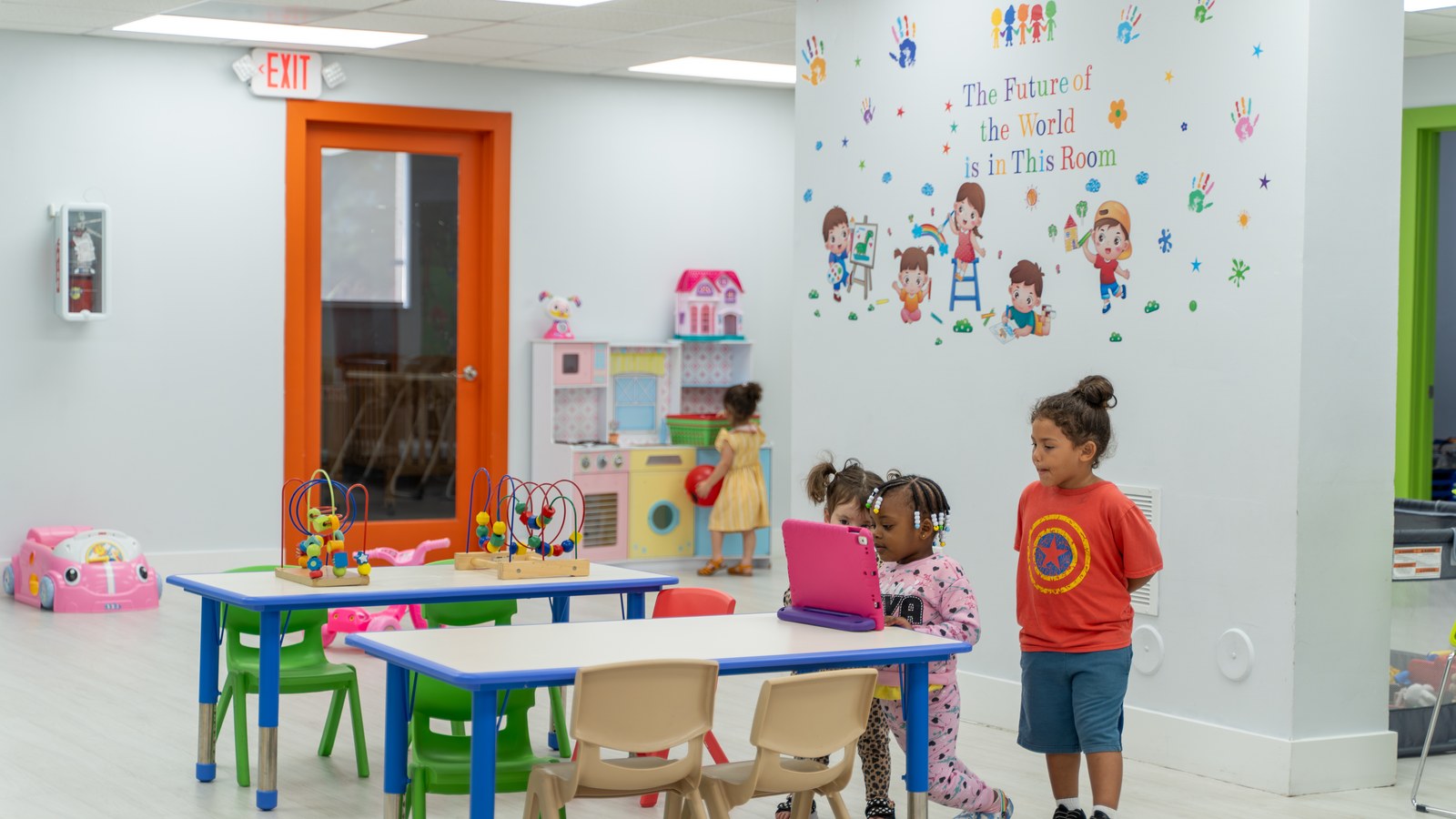
Parents almost always ask the same question on a first tour, and it is not about licensing or Medicaid. It is what does a day at a PPEC actually look like for a child who needs skilled nursing. Here is our answer, hour by hour, from the Hollywood center.
Arrival and the morning assessment
Children arrive from about 7AM. Families drive in, or we transport children who qualify for transportation. The first thing that happens is not play, it is a nursing assessment. A nurse checks vitals, reviews anything that changed overnight, confirms the day's medication and feeding schedule, and checks equipment such as trach ties, G-tube sites and oxygen settings.
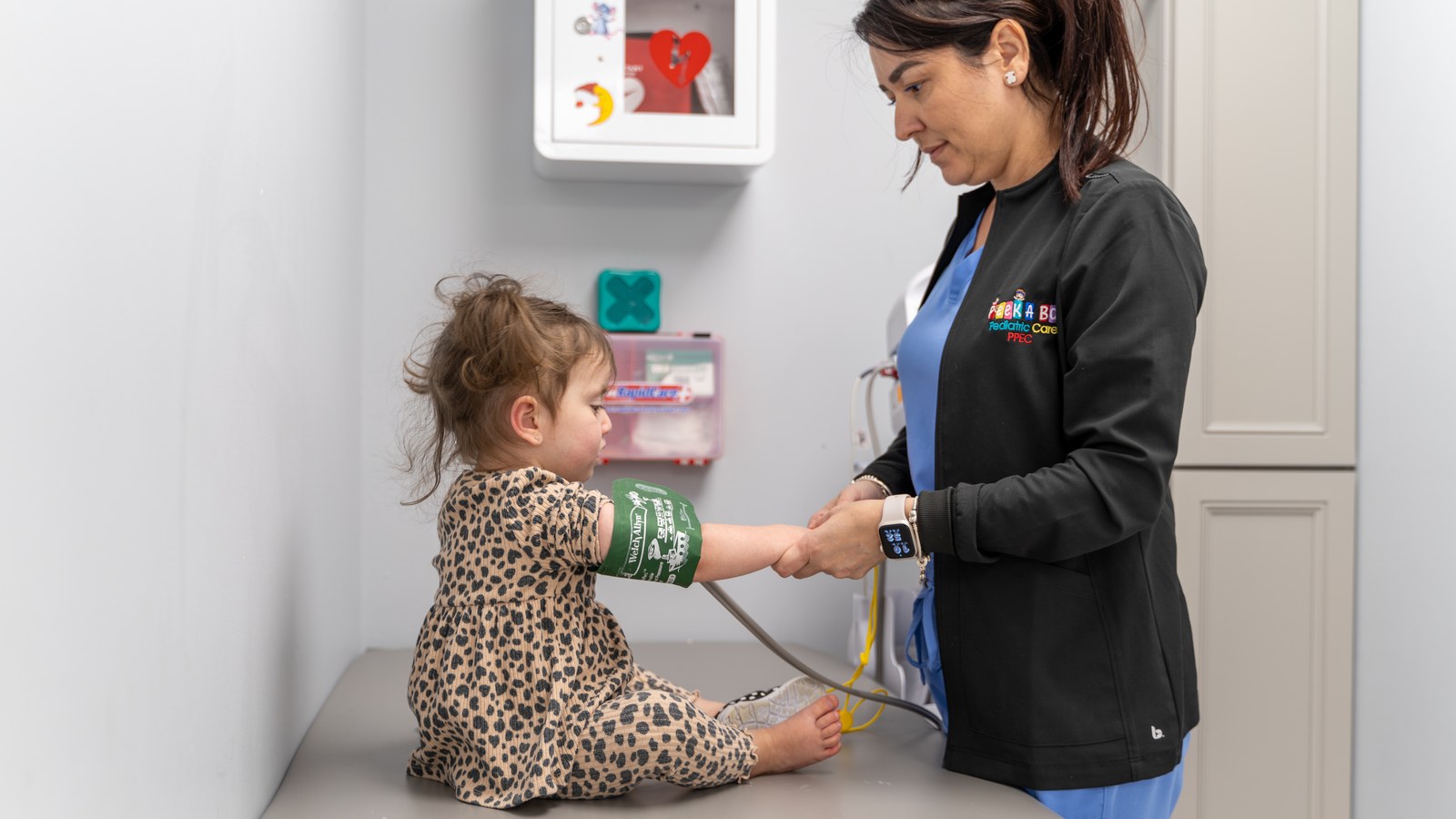
This handoff matters more than it sounds. A parent mentioning that their child slept badly or had extra secretions overnight changes how the team watches them all day.
Morning: nursing, therapy and learning
Skilled nursing does not happen in a block, it runs continuously. Suctioning, tube feeds, medications, repositioning, seizure monitoring and respiratory care happen on each child's schedule throughout the day.
Around that, the morning has structure:
- Therapy sessions. Physical, occupational and speech therapists pull children for prescribed sessions. Because it happens here, you are not driving to a separate appointment or taking time off work.
- Learning and play. Age appropriate activities, music, sensory play and circle time, adapted so children of very different abilities can take part together.
- Positioning and mobility. Time out of a chair or bed, in standers, gait trainers or on mats, because staying in one position all day is its own medical problem.

Meals and feeding
Meals and snacks are prepared to each child's plan. That means oral feeding for some, texture modified diets for others, and tube feeding on a pump schedule for others again. Children who eat orally and children who are tube fed sit together at the same tables, which is deliberate.
Rest
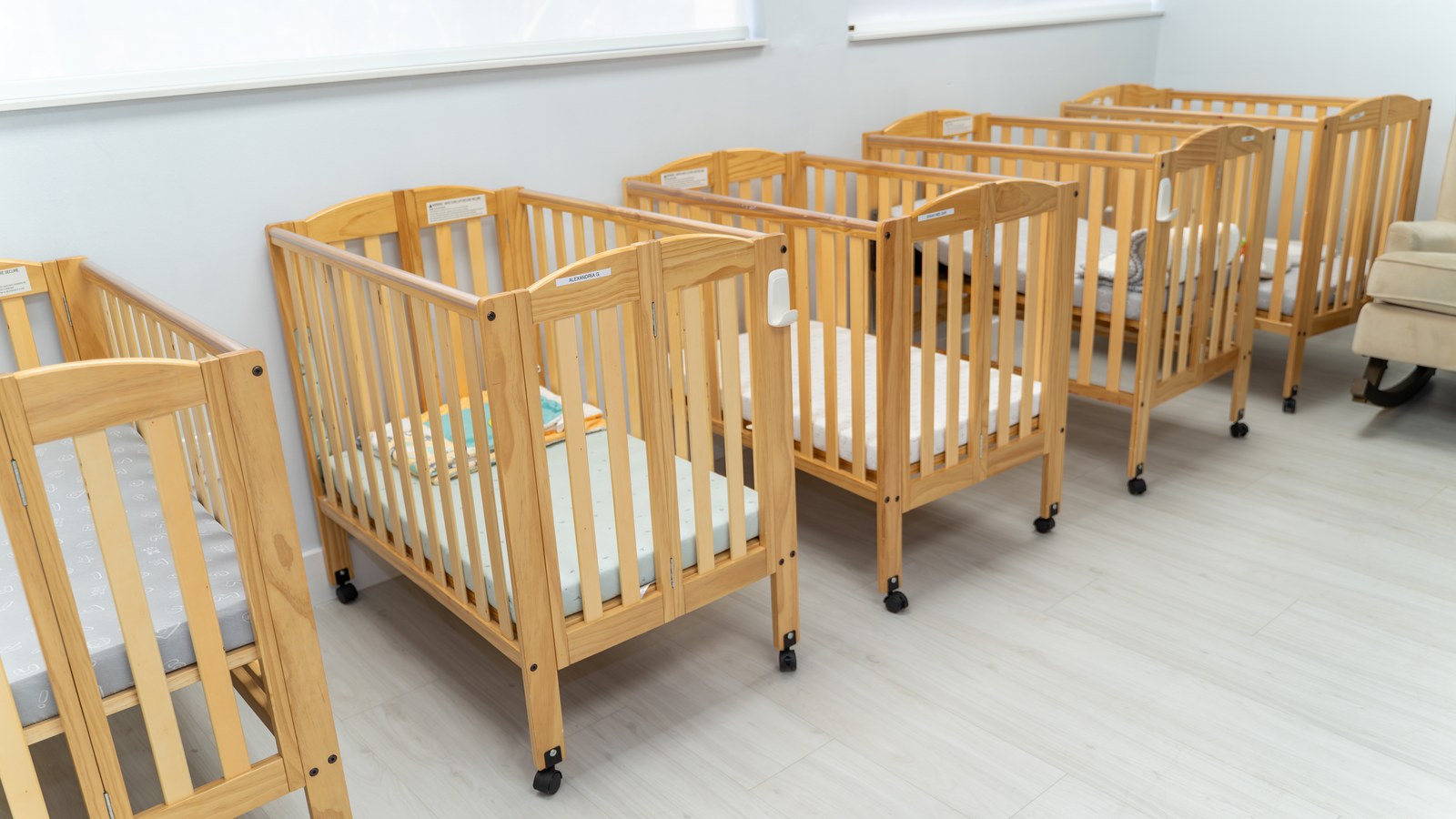
After lunch the lights come down and children rest. Infants and younger children have their own cribs. Nursing does not pause during rest: monitoring, repositioning and scheduled care continue while children sleep.
Afternoon and going home
Afternoons look like mornings: more therapy, more activities, more nursing care, a snack. Before your child leaves, a nurse writes up the day. You get told what your child ate, how they tolerated feeds, whether there were seizures, how therapy went, and anything that seemed off.
Pickup runs to 7PM on weekdays. We are also open weekends 8AM to 4PM, which matters for families working shifts that do not fit a Monday to Friday pattern.
How this differs from a nurse at home
Private duty nursing sends one nurse to your living room, and for some children that is the better answer. What a center adds is everything around the nurse: therapists in the same building, equipment a home cannot hold, and other children.
We compared the two honestly, including when a PPEC is not the right choice, in our guide to PPEC versus private duty nursing. If you are still working out whether your child is eligible at all, start with who qualifies for PPEC.
You can see every room described here in our photo gallery. They are real photos of this center, not stock.
Frequently asked questions
How many hours a day can my child attend a PPEC?
Does my child have to stay all day?
Who is with my child during the day?
What happens if my child gets sick or has an emergency at the center?
Can I visit during the day?
See the day for yourself
The fastest way to know whether this is right for your child is to walk through during a normal weekday, while the center is full and running. Come see it. We will check your Medicaid eligibility and answer whatever you want to ask.